

You Can Hurt, Even If You Have a Lot: Priviliged and Struggling
There is a strange silence that exists around certain kinds of pain. The kind that isn’t always visible. The kind that’s often accompanied by guilt. The kind that makes you wonder: Do I even have the right to feel this way? Many of us carry invisible burdens, and yet when we try to name them, we’re met with echoes of disbelief or dismissal - both from others and from within ourselves.
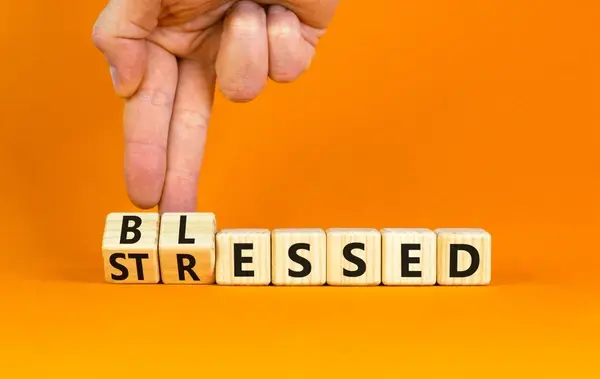
This is especially true when our pain doesn’t fit the world’s definition of "deserved" suffering. When we have things that many others do not - a home, an education, a steady income, a support system - and yet we’re still struggling, still feeling low, still gasping for air under the weight of it all. And suddenly, it becomes not just pain - but shame.
We begin gaslighting ourselves before anyone else gets a chance to. You should be grateful. Other people have it worse. You’re being dramatic. You’re just overthinking. And so we swallow the ache and put on a smile. We use words like “fine” and “okay” when really, we feel hollow. We wake up with dread and go to sleep with noise in our heads, and still - we tell ourselves that it doesn’t count. That we don’t get to call it pain, because what we have is too much to complain about.
This shame of struggling while being privileged is subtle. It's not loud or theatrical. It sits quietly in the background, watching you overthink every emotion. It stops you from reaching out, from crying too hard, from taking space. Because what if people roll their eyes? What if they think you’re ungrateful? What if they think you’re attention-seeking? And so you shrink. You cope in private. You work harder to compensate. You silence your own needs because somewhere along the way you’ve internalized the idea that only certain people get to be sad. That pain is something to be earned. That you must have suffered publicly, visibly, and dramatically to qualify.
The irony is that this mindset doesn’t make anyone’s life easier - not even the people who have “less.” It creates a culture where emotions are ranked instead of understood, where empathy is conditional, and where people are taught to compete in a hierarchy of suffering. But pain isn't a competition. And healing doesn’t require permission. Just because someone is drowning in deeper waters doesn’t mean you aren’t allowed to say you’re struggling to swim. Someone else’s pain doesn’t invalidate yours. And your pain doesn’t take away from theirs.
It’s possible to be both - grateful and hurting. Fortunate and overwhelmed. Privileged and battling mental health challenges. These things can, and often do, coexist. You can know that you are lucky in many ways and still acknowledge that something inside you feels off. That some days you feel like a shell of yourself. That even surrounded by love, you feel lonely. That even with everything going for you on paper, life can feel like a heavy load to carry. That doesn’t make you selfish or dramatic. It makes you human.
But it’s hard to believe this when society constantly glorifies resilience and hustle, and when gratitude is weaponized to silence discomfort. When people look at your life and assume that because you aren’t visibly suffering, you must be fine. Or worse, when people assume you’re only speaking up for attention. The worst part is that sometimes even when you do open up, you're met with responses like “You have nothing to be upset about” or “Count your blessings.” So you learn to censor yourself. You become fluent in hiding. You master the art of dismissing your own needs. And over time, this internal self-gaslighting can take a toll on your mental health in ways you don’t even realise. You might start numbing yourself, keeping busy to avoid having to sit with the discomfort. You might struggle with guilt anytime you feel sad or anxious, leading to shame spirals. You might isolate yourself because you think your feelings are a burden. Or you may swing the other way - working harder and achieving more, just to prove to yourself that you're not wasting your "privilege."
But you don't owe anyone a justification for your struggle. Pain is not a prize you earn. You don't have to go through trauma Olympics to deserve compassion - from others, or from yourself. Struggling while being privileged doesn’t make you weak, entitled, or ungrateful. It just makes you a person navigating life, with all its complexity.
What would it mean if we created more space for nuance? If we allowed people to feel without having to explain why? If we asked "how are you, really?" and actually listened? What if we dropped the comparison game and held space for each other’s truths, even if they looked different from our own? We’d be less alone, that’s for sure. And far less ashamed.
So if you’re someone who’s been feeling guilty for not being okay - for struggling despite being “blessed” - this is for you. You don’t need to earn the right to feel. You don’t need to explain why it hurts. Your pain is valid. Your feelings matter. And healing begins when we stop silencing ourselves - and start giving ourselves the same grace we so freely offer others.
Written by: Vedica Podar
#MentalHealth #SelfLove #Wellbeing #MindMatters #YouMatter #Wellness #Psychology #Privilige #TooBlessedToBeStressed #Blessed #Gratitude #GratitudeShaming #YourStoryMatters
February, 2026


